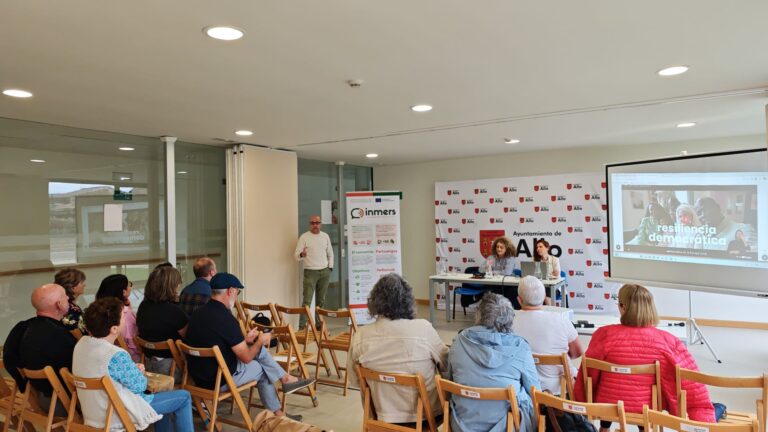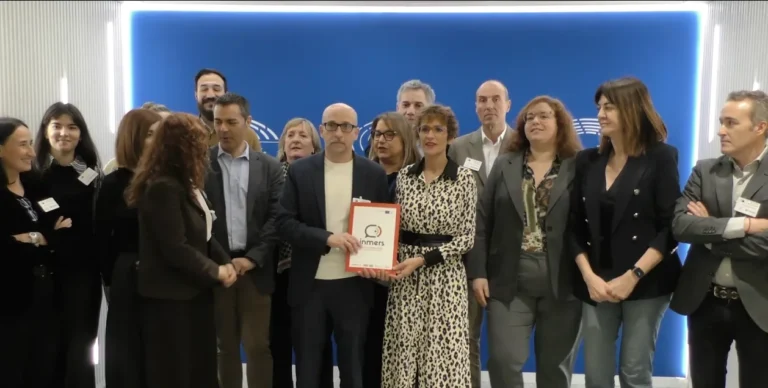

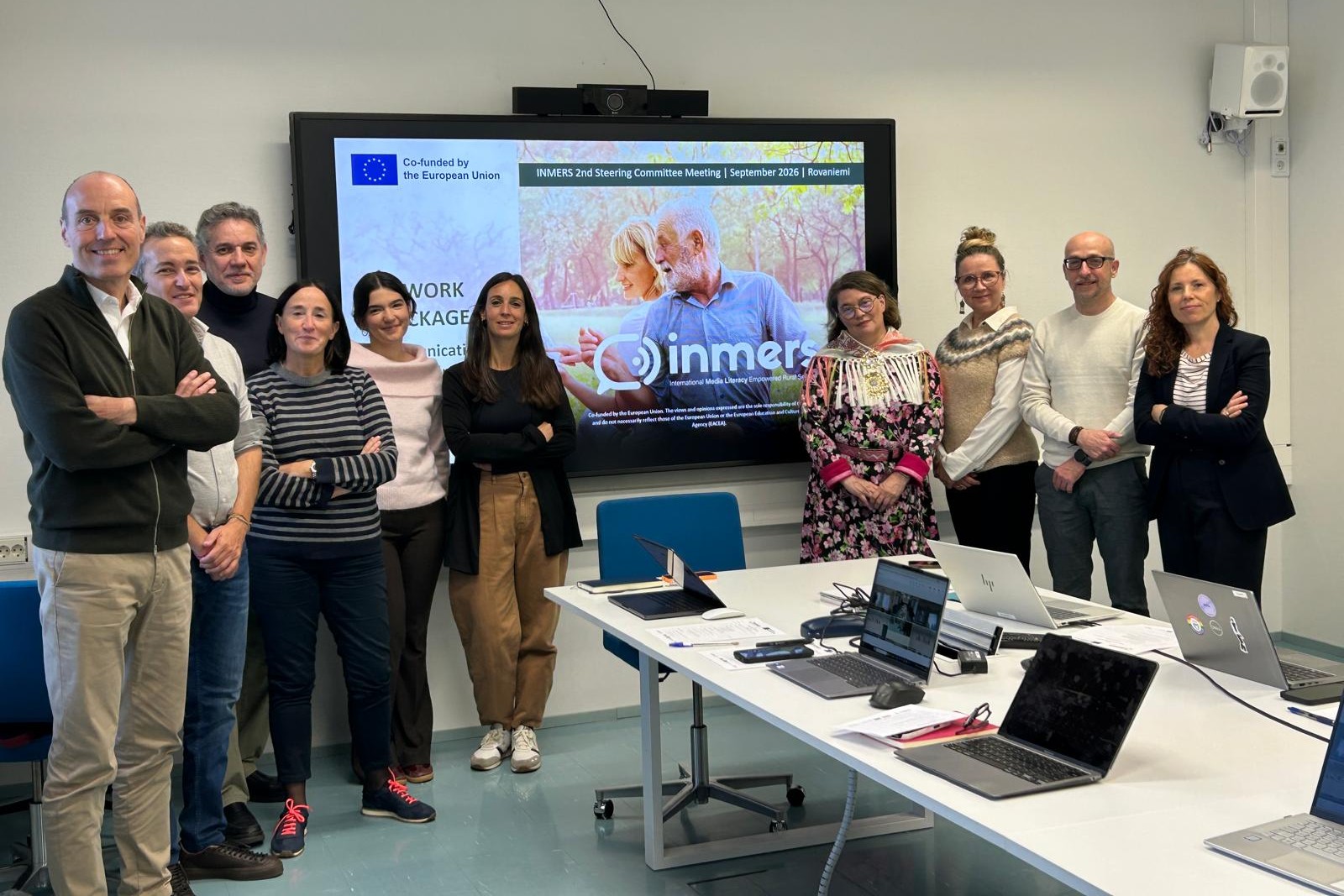
A delegation from the Government of Navarre takes part in the steering committee meeting in Rovaniemi, focused on the first diagnostic findings
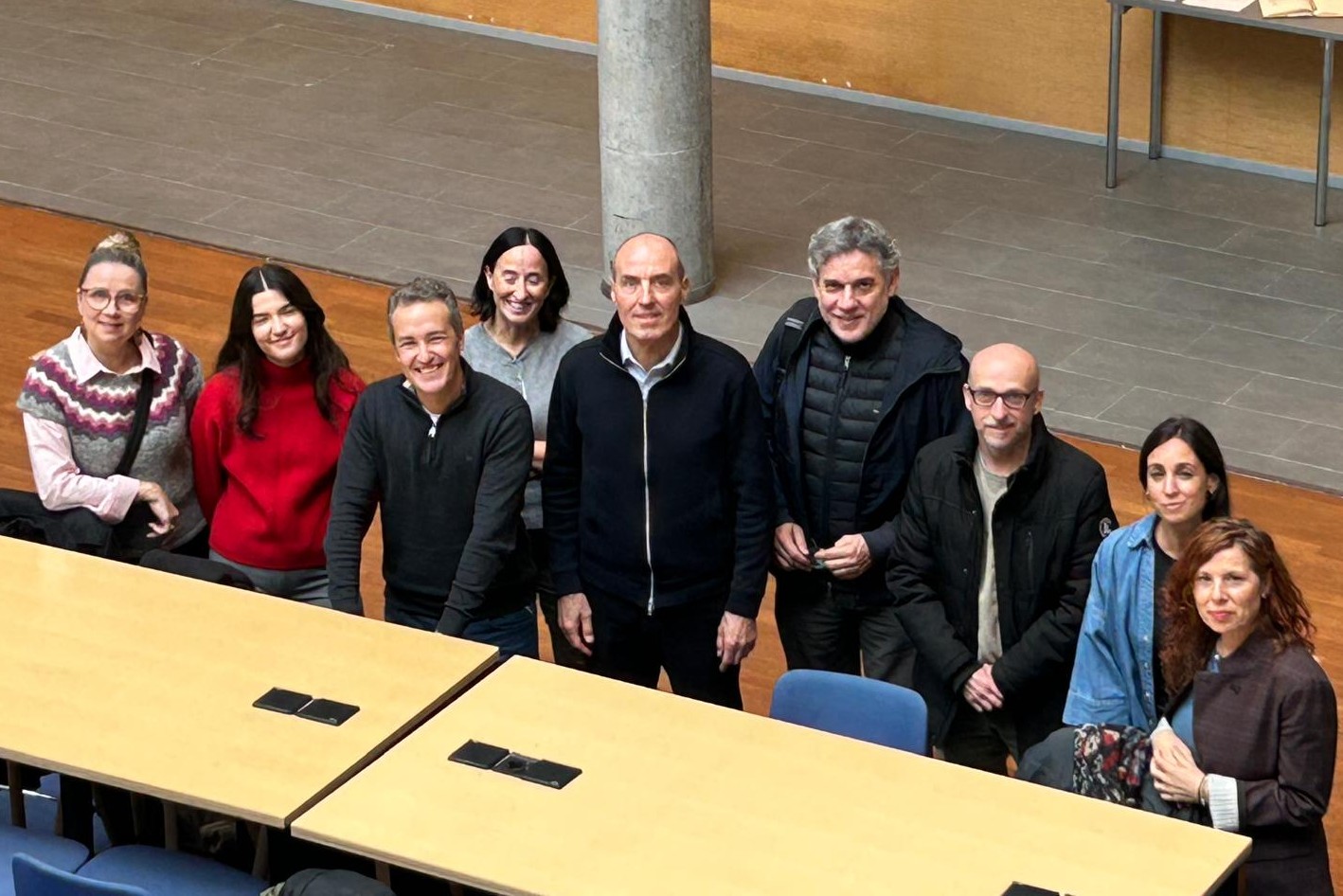
A delegation from the Government of Navarre has taken part in a new working session of the European project INMERS (International Media Literacy – Empowered Rural Seniors) in the Finnish city of Rovaniemi. The project, led by the Government of Navarre and funded by the European Union’s Creative Europe Programme, aims to strengthen the media literacy of people aged 65 and over living in rural areas, increasing their ability to navigate information and digital content independently and critically.
The meeting, hosted by the University of Lapland, marks a new milestone in the development of the project following its official launch on 5 March in Brussels. During that session, held at the European Parliament and led by the President of Navarre, María Chivite, the project was presented and the main lines of work were established for an initiative that will implement pilot actions over two years in Navarre, Lapland and Transylvania.
INMERS is led by the Directorate-General for Planning, Coordination, Innovation and Public Policy Evaluation of the Government of Navarre and brings together organisations from Navarre, Finland and Romania, including the University of Navarra, the University of Lapland, Funky Citizens, the Constructive Journalism Institute, and the public company NASERTIC.
The Government of Navarre was represented at the steering committee in Finland by Txerra García de Eulate, Director-General for Planning, Coordination, Innovation and Public Policy Evaluation, and Itziar Herrero, Head of the Public Innovation and European Projects Section. Representing NASERTIC were its Managing Director, Luis Campos, and Toya Bernad, Director of Innovation, Communication and Citizen Services.
The first day of the meeting focused on project monitoring and management. Partners reviewed the progress of INMERS, the status of the various work packages and deliverables, upcoming milestones and deadlines, as well as issues related to coordination, governance, financial management and communication.
The programme also provided an opportunity to learn first-hand about the University of Lapland’s experience in media literacy for older adults and to gain insight into the reality of the indigenous Sámi population in the Nordic countries. The day concluded with visits to civic and volunteer organisations in Rovaniemi, helping the consortium better understand the social and community context of one of the territories where an INMERS pilot project is being implemented.
First progress in the territorial assessments
The second day had a more technical focus and centred on the progress of the studies currently being carried out in the three pilot territories. Partners shared developments in Lapland, Navarre and Transylvania and discussed the next steps for conducting a comparative analysis of the results, which are expected in November this year.
In the case of Navarre, participants reviewed the progress of the diagnostic study and the survey that will be conducted in the region, as well as advances in the distribution of the survey across other European regions. This phase has provided a more accurate picture of older people’s needs, challenges and capabilities within today’s information and digital ecosystem.
The results of these assessments will serve as the basis for the next stages of INMERS. During the Rovaniemi meeting, participants examined the format and content of the comparative analysis, the process for collecting and analysing survey data, and the methodology for co-creating a media literacy guide, one of the project’s main expected outcomes.
INMERS addresses challenges shared by European territories such as Navarre, Lapland and Transylvania, including population ageing, geographical dispersion and the digital divide. The project seeks to combine the skills needed to use digital technologies with the development of critical thinking and tools that help assess the credibility of information, identify misleading content and navigate digital environments more safely.
In addition to the initial assessment phase, the initiative includes the development of tailored training materials, practical workshops and a European Media Literacy Guide, as well as training local stakeholders who can ensure the continuity of the actions beyond the project’s duration.
The next consortium-wide meeting will take place in Romania on 2 and 3 February 2027.